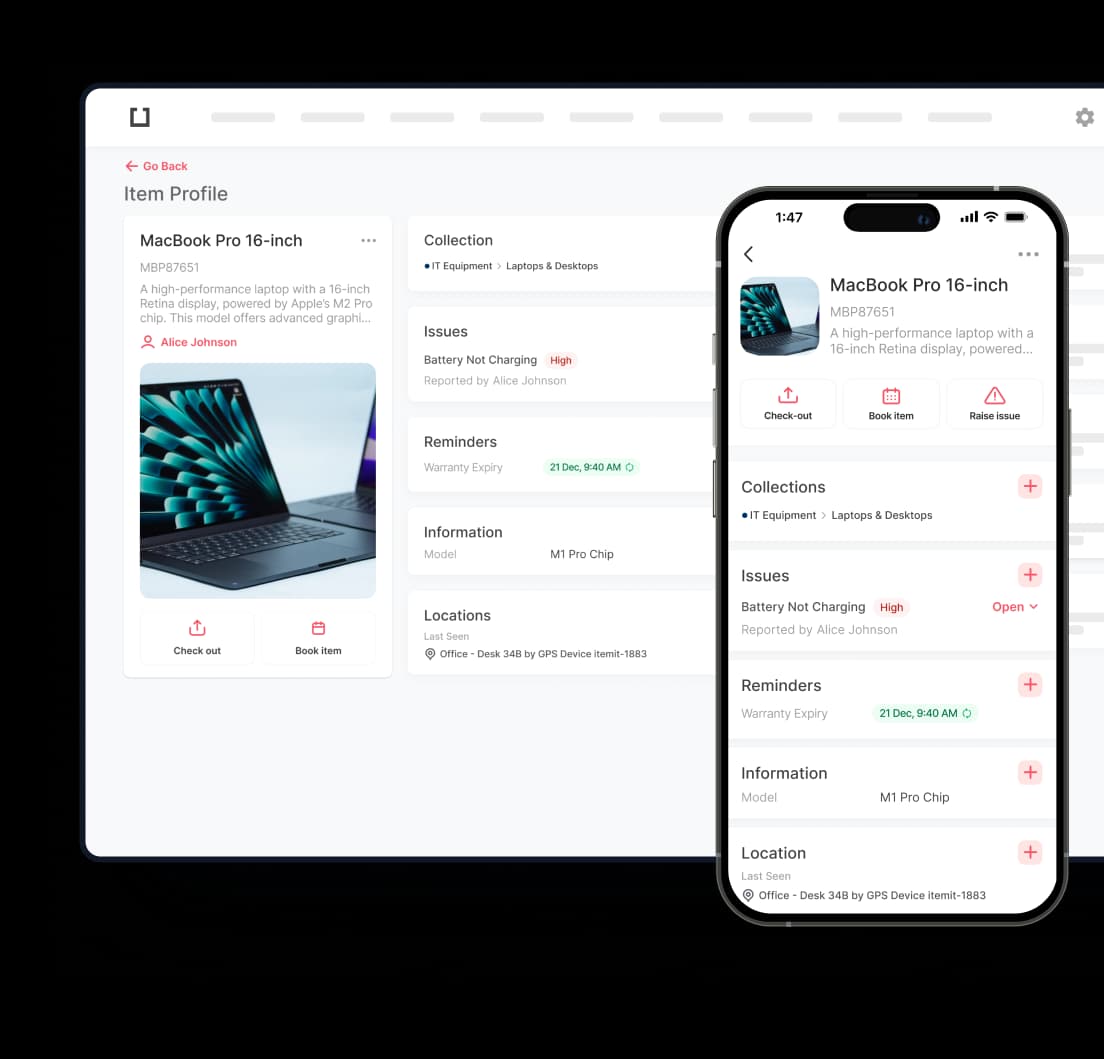
Replacing damaged equipment can be very expensive. In some cases, however, you may be able to repair assets that are not functioning well, if at all. Again, this can often prove to be a costly affair. Depending on the equipment that you’re repairing, parts can cost more than you think. This is where using an equipment replacement strategy can help.
A strategy such as this can allow you to work with your equipment tracking system so that replacing or repairing assets automatically becomes less expensive.
This article looks at how such a system works and how you can make the most of it.
Work Out A Budget
If you are planning to work out a replacement strategy you first need to work out a budget. You need to know how much you’re prepared to spend every year. Between 1.5% and 4.5% of your overall budget should be set aside. Unfortunately, when you need to replace those large machines, vehicles, and so on, you may need up to 15% of your budget. The good news is that these costs may only occur every 7 years.
Use your equipment tracking system to track your assets so you know what condition they’re in. Then, you can determine whether your budget may be enough.

Keep Updated Financial Records
Ensure that you add the cost of replacement parts as well as maintenance to your financial records. When you know how much you have spent over the last few months you can estimate your future costs. Keeping updated financial records can also help you to understand whether you need to simply go ahead and replace an asset rather than repairing it.
Understand The Need For Replacement Equipment
How urgent is the need to replace your equipment? When you have a rough estimate of how much replacing your damaged assets costs you can make an assessment. All of your assets will fit nicely into one of three asset replacement groups. These are (1) Critical, (2) Moderate, and (3) Low. rank your assets into one of these groups so that you understand how soon things need to be replaced. Also, make a note in your chosen equipment tracking system as you could find it useful.
Work Out Replacement Costs
Now it’s time for you to determine how much replacing an asset costs. We’re going to use those groups again but we’re going to put them the other way around. So, the groups are (1) Low cost (2) Moderate cost (3) High cost.
Costs are so important to work out as they can have a large impact on your replacement strategy. Make sure you do some research and locate a number of suppliers. Ideally, you will find cheap replacement parts that are good quality but realistically this isn’t likely to happen. Look for a supplier whose costs are reasonable that sells parts that last at least 5 years. You need to be able to pay for parts, install them, and forget about them for a while.
Know When Equipment Needs To Be Replaced
A combination of the above groups will help you to understand when it’s time to replace something or simply send it for repairs. Whatever the “score” is, make a note of it in your equipment tracking system so you know what’s what. Doing so can also help you to refer back to the scores again in the future.
You may have a vehicle, for example, that is in the (2) Moderate need for a replacement group. However, it may also be in the (3) High cost group. When an asset scores just 2 points, it means that replacing it will not be too expensive. After all, it is (1) Low cost but it’s also (1) Critical.
Create A Plan
Now it’s time for you to create a plan. This plan will hopefully help you to prioritise what needs to be repaired or replaced. Your plan should contain your budget’s details and anything else that you think is relevant.
Make sure you share this plan via your equipment tracking system so those who need to see it can. When you have more pairs of eyes looking at your plan you’ll have a better idea about what’s what. In other words, you’ll know what needs to urgently be repaired or replaced. The next step here is for you to deal with any urgent repairs or replacements so you can keep everything running smoothly.
Your equipment replacement strategy should help you both now and in the future. Making it easier for you to determine what to do next, the strategy could prove to be invaluable. This is why it makes sense for you to create one sooner rather than later.
Would you like to chat with an equipment tracking system expert about creating a replacement strategy? Contact us today at team@itemit.com.